The latest generation of Environmental Control Units (ECUs) is delivering a long-awaited answer to one of the military's most persistent logistical headaches: the cost of moving and powering air conditioning in the field. With weight and power consumption both reduced by roughly 30%, these new systems are changing the math for expeditionary operations.
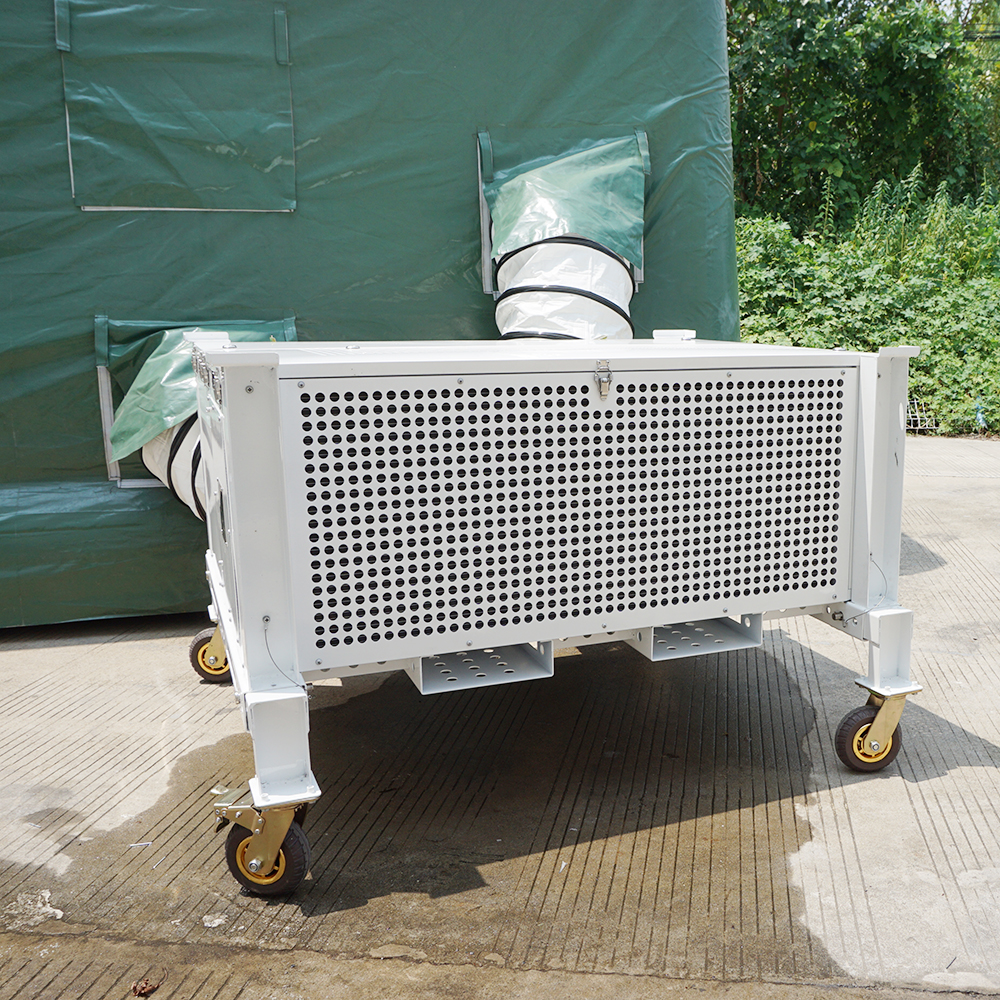
HDT Global recently secured a $450 million contract to deliver Improved Environmental Control Units (IECUs) under a 10-year IDIQ arrangement . The numbers speak for themselves. The F100-60K, a 60,000 BTU/hr ECU for larger military tents, comes in at 500 pounds—200 pounds lighter than comparable systems . That difference adds up fast when you're airlifting gear into austere locations.
Fuel efficiency is the other side of the coin. The Army's 60k IECU fleet already delivers a 16% fuel savings over older mil-standard units, and the latest designs push that further . With environmental control accounting for one of the largest power draws downrange, shaving kilowatts off each unit means fewer generator resupply runs and fewer convoys exposed to risk .
These improvements matter for every tent air conditioner in the field, from brigade command posts to medical shelters. The new IECUs are designed with zero ozone-depleting refrigerants to meet compliance requirements, and they're built to handle ambient temperatures up to 125°F without derating .
For those tasked with keeping troops and electronics cool, the message is simple: lighter, less thirsty, and ready to work.