A quiet but significant shift is underway in the portable climate control sector. Next-generation Environmental Control Units (ECUs) with ultra-low power architectures are pushing off-grid operation past the 72-hour mark—a threshold that field operators and event organizers have long sought.
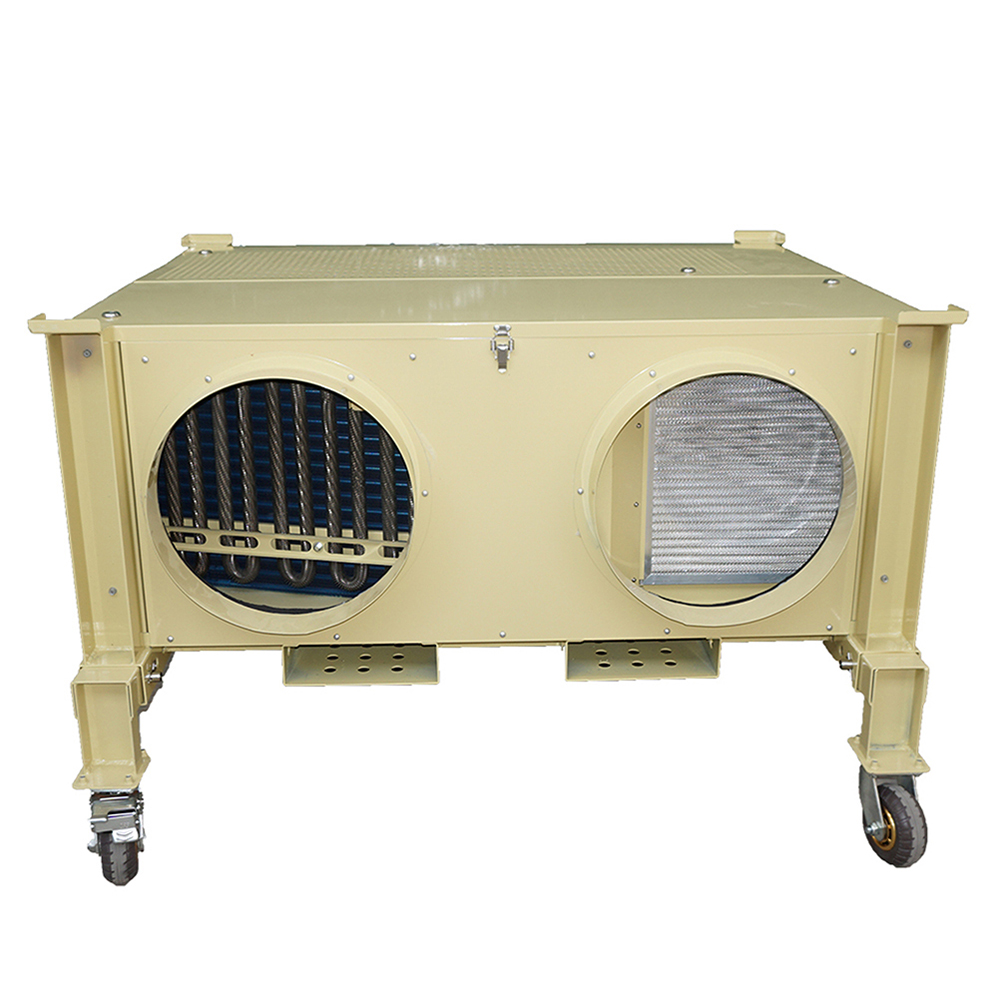
The numbers tell the story. Standard military-grade tent air conditioners typically draw 5–10 kW of power, requiring constant generator fuel resupply or grid connection. The new low-power designs flip that equation. By integrating high-efficiency Copeland Scroll compressors and R-410A refrigerant systems, manufacturers are cutting energy consumption without sacrificing cooling capacity. Some portable units now operate on as little as 500 watts under normal load, with modern inverter technology allowing consumption to drop to around 400 watts in eco mode.
For a standard military tent air conditioner rated at 9,000 to 60,000 BTU/hour, this efficiency gain translates directly into extended field endurance. A 5-ton ECU like HDT's F100-60K, which weighs just 500 lbs—200 lbs lighter than competing systems—already claims "low power consumption" as a key differentiator. Pair such a unit with a high-capacity battery bank, and 72 hours of autonomous operation becomes achievable without the logistical burden of fuel resupply convoys.
The commercial sector is taking notice. Event tent air conditioner rentals—used for weddings, festivals, and summer parties—have traditionally relied on diesel generators or on-site grid hookups. That's changing. Portable event units with 3,500 to 6,000 BTU capacities now draw 400 to 500 watts on average, making them viable candidates for solar-plus-battery power systems. A 1 kWh portable power station can run a low-power event tent air conditioner for up to 8 hours; scale the battery to 5 kWh and the same unit runs a full three-day weekend event.
The ECU—whether deployed in military field hospitals, expeditionary command posts, or commercial event marquees—is undergoing a fundamental redesign. Lightweight aluminum construction, embedded diagnostics, and automatic safety controls are becoming standard. But the real game-changer is power efficiency. As one industry engineer put it: "The goal isn't just to cool the tent. It's to cool it without draining the entire logistics chain." With off-grid endurance now measured in days rather than hours, that goal is finally within reach.