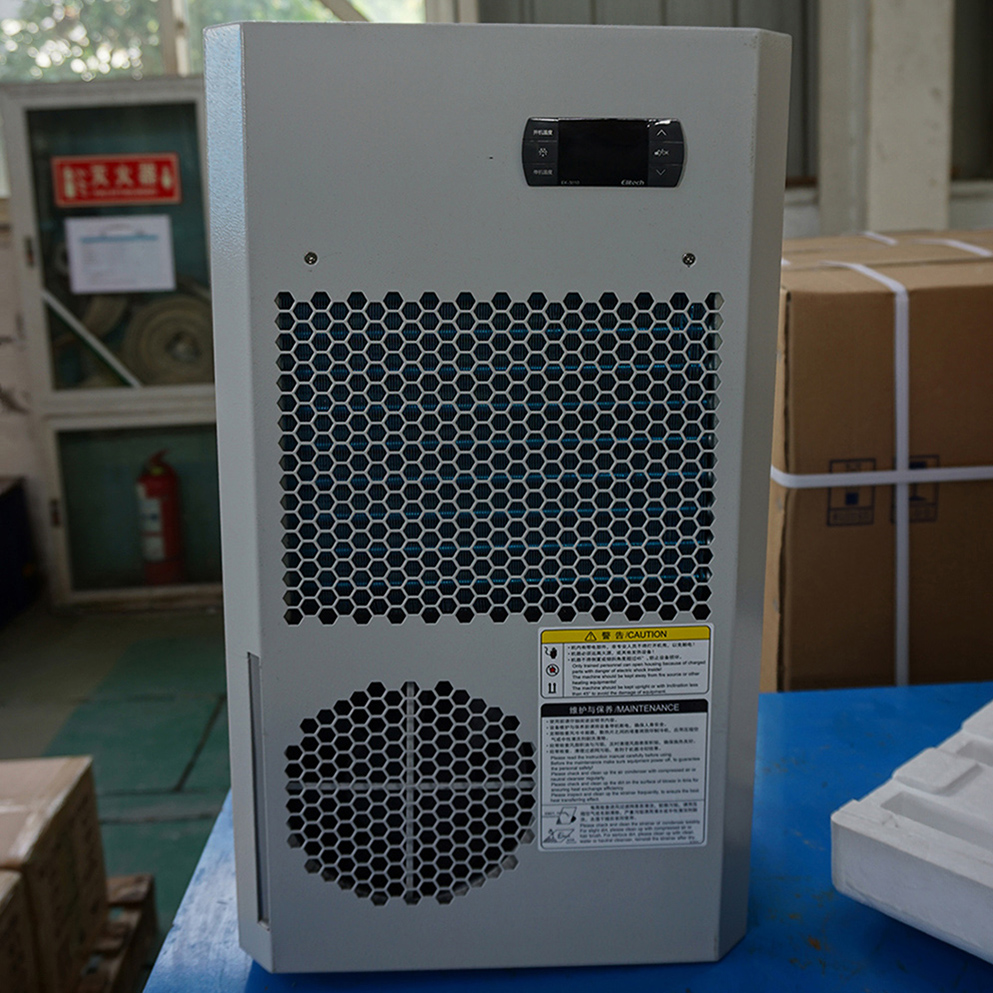
The Indoor Enclosure Air Conditioner category has seen unprecedented demand growth over the past 18 months. Originally designed to protect sensitive electronics in telecom shelters and server rooms, these compact, rugged units are now finding applications far beyond their original scope. The engineering focus has shifted to reliability in extreme ambient conditions—units that maintain setpoint temperatures even when outside thermometers push past 45°C. Closed-loop designs prevent contaminated outside air from entering the enclosure, while corrosion-resistant coils extend service life in coastal or industrial environments.
What distinguishes modern enclosure coolers is their adaptability. Dual-voltage compressors accommodate fluctuating power supplies common in remote sites. Programmable controllers with remote monitoring capabilities allow facility managers to track performance, receive fault alerts, and adjust setpoints without site visits. One telecom operator reported reducing equipment failure rates by 62% and cutting maintenance callouts by half after standardizing on high-performance enclosure AC units.
The application spectrum has broadened considerably. Large-scale temporary structures—wedding marquees, festival VIP lounges, corporate hospitality tents—now incorporate enclosure-style cooling as the backbone of their climate strategy. Event Tent Air Conditioner systems built on enclosure platforms deliver the durability and consistent output needed for multi-day deployments. Unlike consumer-grade portables that struggle with continuous operation, these units run 24/7 with minimal performance degradation.
Commercial tent rental companies are taking notice. The Tent Air Conditioner segment is moving decisively toward enclosure-based designs, recognizing that event clients increasingly demand guaranteed temperature bands in their contracts. One major rental operator has shifted its entire fleet to enclosure-style units, citing a 40% reduction in service calls and a 25% improvement in fuel efficiency compared to the previous generation of portable coolers.
For procurement professionals, the value proposition is quantifiable: lower lifecycle costs, fewer emergency repairs, and consistent performance across varying site conditions. The units are built to travel—reinforced cabinets, stackable designs, and integrated lifting points simplify transport and installation.
The message to buyers is straightforward. When heat is the adversary, enclosure-grade cooling is the shield. Investing in equipment engineered for extremes is not an expense. It is risk mitigation. And in an era of rising temperatures, that is a procurement decision that pays for itself.