Modern enclosed air conditioners are redefining energy efficiency across three key categories. Indoor Enclosure Air Conditioner now feature variable-speed compressors and smart sensors, cutting energy use by up to 50% while maintaining precise temperature control. For example, models like Carrier’s Infinity 26 adapt to real-time cooling needs, reducing waste.
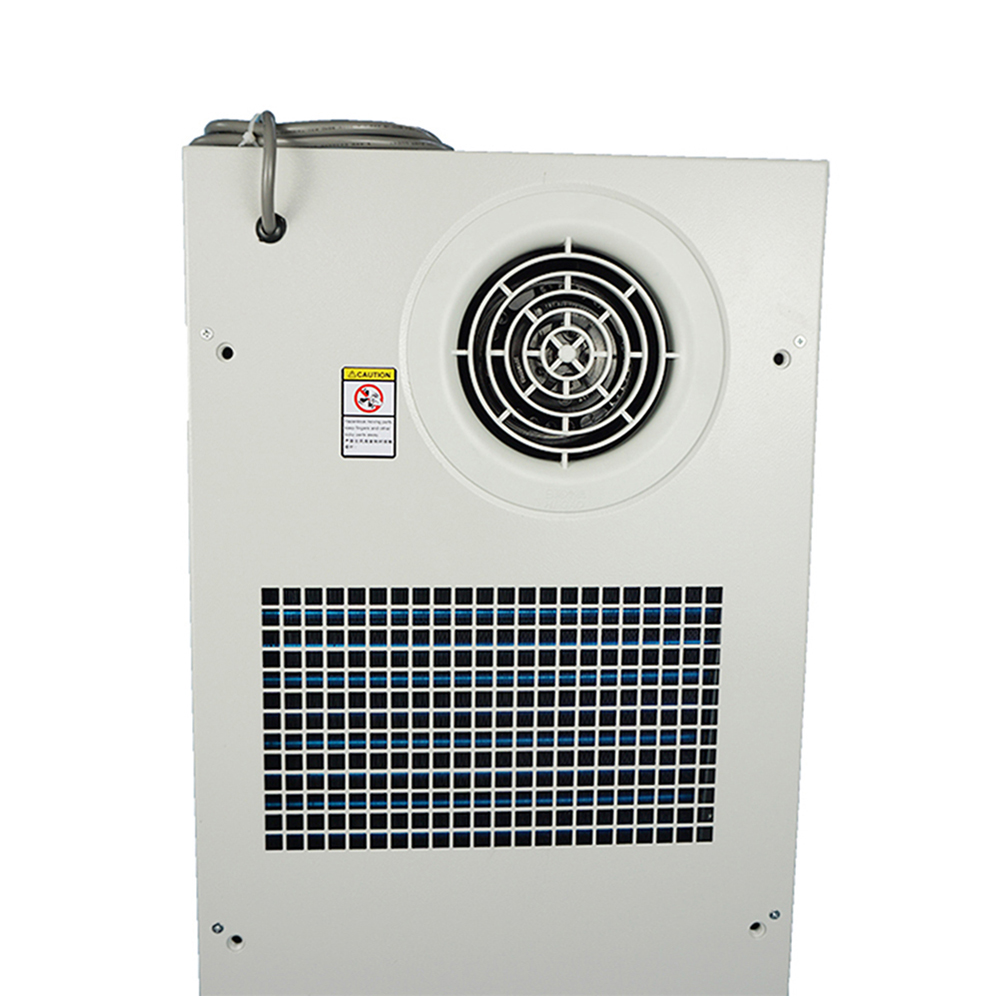
Cabinet Air Conditioner, designed for critical spaces like data centers, leverage refrigerant-free designs and AI-driven optimization. NUS’s membrane-based system uses water-based cooling, consuming 40% less energy than traditional units, while IoT sensors prevent energy leaks in confined environments.
Tent Air Conditioner prioritize portability without sacrificing efficiency. Harvard’s cSNAP system uses evaporative cooling and solar-powered fans, delivering cool air in extreme conditions with minimal energy. The No Bake Tent’s dual-hose design avoids negative pressure, ensuring safe, efficient operation.
These innovations align with global decarbonization goals, offering consumers and industries a path to sustainable cooling. As market demand grows—projected to hit 9% CAGR in the U.S. by 2030—the focus shifts to scalable, adaptive technologies that balance comfort with environmental responsibility. The future of cooling is here, and it’s green.